What is a Thermal Receipt? Complete Guide to Thermal Printing

If you've ever shopped at a retail store, eaten at a restaurant, or used an ATM, you've likely received a thermal receipt. These thin, often shiny receipts are produced using a unique printing technology that has become the standard for point-of-sale systems worldwide. In this comprehensive guide, we'll explore what thermal receipts are, how they work, and why businesses prefer them over traditional printing methods.
What is Thermal Printing?
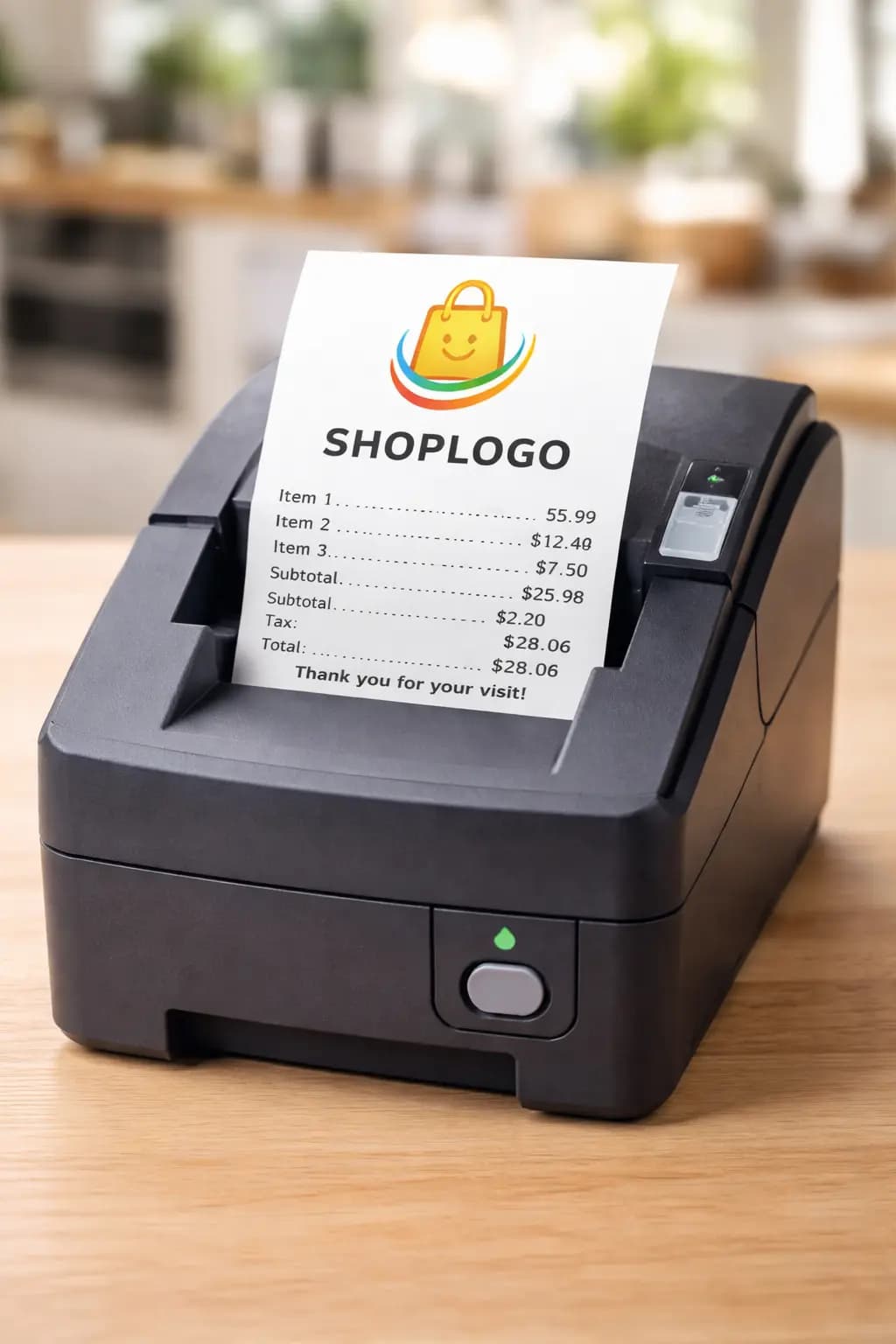
Thermal printing is a digital printing process that produces images by selectively heating coated thermochromic paper, commonly known as thermal paper. When the paper passes over the thermal print head, the coating turns black in the areas where it is heated, creating the text and images you see on your receipt.
Unlike traditional inkjet or laser printers, thermal printers don't require ink, toner, or ribbons. This makes them incredibly cost-effective and low-maintenance, which is why they've become the preferred choice for high-volume receipt printing.
How Thermal Printers Work
Thermal printers use a print head containing many small heating elements. When electricity passes through these elements, they heat up rapidly to temperatures between 200-300°C (392-572°F). As the thermal paper moves past the print head, the heat activates the chemical coating on the paper, causing it to change color and create the printed image.
There are two main types of thermal printing: direct thermal and thermal transfer. Direct thermal printing, which is used for receipts, prints directly on heat-sensitive paper. Thermal transfer printing uses a ribbon to transfer ink onto the paper and is typically used for labels that need to last longer.
Advantages of Thermal Receipts
Thermal printing offers several significant advantages that make it ideal for receipt printing:
- Speed: Thermal printers can print receipts almost instantly, reducing customer wait times
- Low maintenance: No ink or toner to replace means fewer service calls and less downtime
- Quiet operation: Thermal printers are nearly silent compared to dot matrix printers
- Cost-effective: Lower operating costs due to no consumables other than paper
- Compact size: Thermal printers are typically smaller than other printer types
- High reliability: Fewer moving parts mean less chance of mechanical failure
Disadvantages of Thermal Receipts
Despite their benefits, thermal receipts do have some drawbacks:
- Fading: Thermal prints can fade over time, especially when exposed to heat, light, or certain chemicals
- Limited lifespan: Most thermal receipts remain legible for 3-5 years under normal conditions
- Environmental concerns: Traditional thermal paper contains BPA or BPS chemicals
- Not ideal for long-term records: Important receipts should be copied or digitized
- Heat sensitivity: Receipts can darken if exposed to heat sources
What is Thermal Paper Made Of?
Thermal paper consists of a base paper layer coated with a mixture of chemicals. The key component is a leuco dye that changes from colorless to black when heated. The coating also contains a developer (typically bisphenol A or BPA, though BPA-free alternatives are becoming more common) and a sensitizer that controls the temperature at which the color change occurs.
Premium thermal papers may include additional protective coatings to improve print longevity and resistance to environmental factors like humidity, oils, and plasticizers.
Common Uses for Thermal Receipts
Thermal printing technology is used across many industries:
- Retail point-of-sale receipts
- Restaurant and hospitality bills
- ATM transaction receipts
- Parking tickets and validation
- Shipping labels and barcodes
- Medical and pharmacy labels
- Event tickets
- Lottery tickets
If you need to create receipts for your business, check out our receipt templates for various industries including retail, restaurants, and grocery stores. You can also use our free receipt generator to create custom receipts instantly.
How to Preserve Thermal Receipts
If you need to keep thermal receipts for tax purposes or warranty claims, here are some tips to extend their life:
- Store receipts in a cool, dark place away from direct sunlight
- Keep receipts away from heat sources
- Avoid storing receipts in plastic sleeves, as plasticizers can cause fading
- Make photocopies or scan important receipts
- Use digital receipt options when available
- Consider using a receipt management app to capture and store receipt images
Environmental Considerations
Traditional thermal paper containing BPA or BPS should not be recycled with regular paper, as the chemicals can contaminate the recycling stream. However, many manufacturers now offer BPA-free and even phenol-free thermal papers that are more environmentally friendly.
The growing trend toward digital receipts is also helping reduce thermal paper waste. Many retailers now offer email receipts as an alternative, which is better for the environment and more convenient for record-keeping.
Conclusion
Thermal receipts have become ubiquitous in our daily lives due to their speed, reliability, and cost-effectiveness. While they do have some limitations, particularly regarding longevity and environmental impact, thermal printing remains the dominant technology for point-of-sale receipts. Understanding how thermal receipts work can help you better preserve important documents and make informed choices about receipt management. If you need to create receipts for your business, try our free receipt generator to get started.